
————————————— faces on file
Who is that, really?
Find anyone
by photo.
One photo in. Every place that face turns up, out.
Reverse face searchacross 1.4 billion faces — Instagram, TikTok, X, Facebook, news archives and the rest of the web. Find out who you're really talking to.
A normal reverse image search only finds copies of the same file. This finds the face — even in a completely different photo.
- TikTok
- X
- YouTube
- Adult platforms
- + the open web
- ~25s
- A full sweep
- 300
- Matches back
- 30d
- Report stays live
Your photo stays on your device until you press search, and only the square you framed is sent. Checking the photo is free — you'll see the plans before anything is searched or charged. By continuing you confirm you have a lawful reason to look this person up.
Everybody's face is on a board somewhere.
Social profiles, news photos, forum avatars, old blogs. 1.4 billion faces — and we tell you which ones look back.
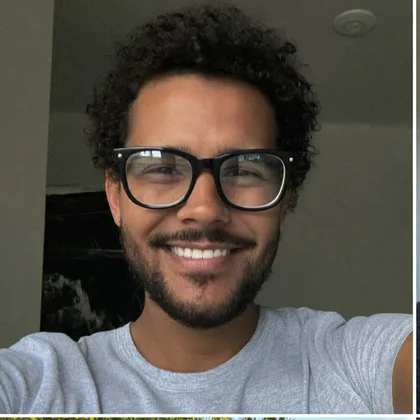
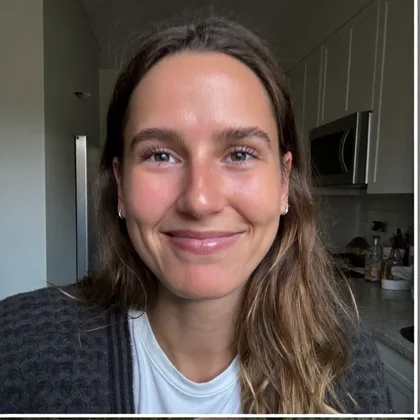
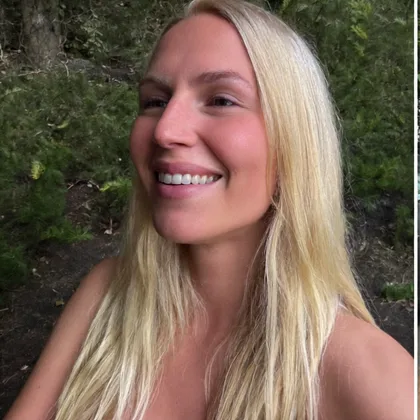
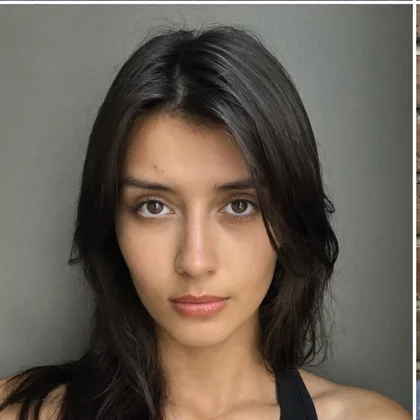
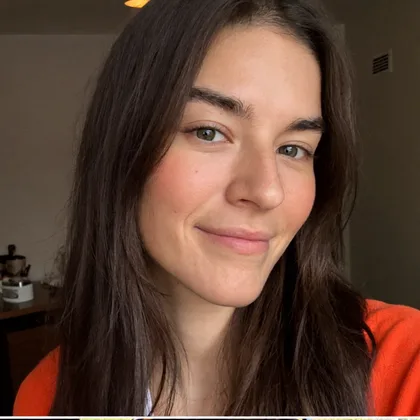




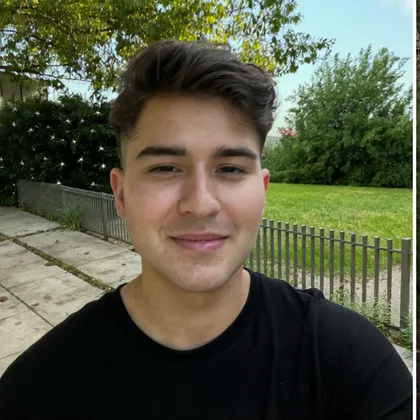
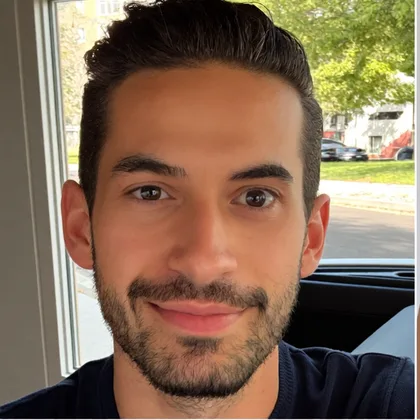
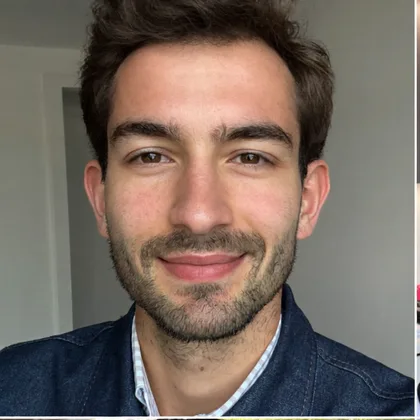
Illustration only — every face above is computer-generated. None of them are real people, and none of them are search results.
Three steps. No sign-up to start.
No detective licence required.
- 01
Hand us the photo
One clear face, looking roughly at the camera. Crop out of a group shot if you need to — we isolate the face before anything else. Sunglasses and heavy shadow are what ruin it.
- 02
We work the file
The face becomes a mathematical signature and gets compared against every indexed face we have. Roughly 100 million comparisons a second, and about 25 seconds start to finish.
- 03
You get the case file
Every match, ranked, with a 0–100 score and the exact page it turned up on. We never tell you who someone is — we show you the evidence and you make the call.
It's a number,
not a verdict.
Face recognition gives you similarity, not identity. We show you exactly how similar so you can weigh it yourself, instead of trusting a green tick.
- Strong match90–100
Almost certainly the same person. These are the ones worth acting on.
- Likely match83–89
Probably them — but find a second result that agrees before you rely on it.
- Possible match70–82
Similar face. Could be them in bad light. Could be a stranger who looks like them.
- Weak matchunder 70
Noise. We show it for completeness, not as evidence of anything.
Everyone's asking
the same question.
- The date
Check them before dinner
One profile photo, four different names across three sites. That's the kind of thing worth knowing at 6pm, not 9pm.
- The mirror
See where your own face ended up
Search yourself. People are often surprised which profiles, listings and reposts they turn up in.
- The catfish
Bust a stolen profile picture
Romance scams recycle the same handful of faces. If a photo traces back to a stock shoot or somebody else's account, you'll see it.
- The reunion
Put a name to an old photo
No caption, no memory of the surname. Sometimes the internet kept better notes than you did.
Where the line is.ARGUS is for checking someone you're actually dealing with, and for finding your own footprint. Using it to stalk, harass, intimidate or dox anyone breaks our terms and, in most places, the law.
Reverse image search finds the file.
We find the face.
Normal reverse image search hunts for copies of the exact picture. Change the crop, the compression or the filter and it goes blind. Face search compares the geometry of the face itself — so a completely different photo of the same person still matches.
| What it does | ARGUS | Reverse image search |
|---|---|---|
| Searches the face, not the file | Yes | Only exact copies |
| Score on every result | 0–100, every time | None |
| Covers social profiles | Instagram, TikTok, X, Facebook… | Rarely indexed |
| Finds cropped or filtered photos | Yes | No |
| Account required | No | Usually |
| Keeps your upload | Deleted after the search | Often kept |
Everything people ask
before they hit search.
What kind of photo actually works?
One face, looking roughly at the camera, in decent light, at least a couple of hundred pixels across. Group photos are fine if you crop to the person you mean. Sunglasses, masks, extreme angles and motion blur are what send a search home empty-handed.
What happens to the photo I upload?
It goes to the index to be searched, then it's deleted. We keep the results — the thumbnails and links — for 30 days so you can come back to a report you paid for, and then those go too.
Why do I have to pay before you search?
Every search runs against a paid index and costs us real money the moment it runs, whether or not you buy anything. Spotting the face in your photo is free. Sweeping 1.4 billion faces for it is the part you're paying for.
How accurate is it, honestly?
The engine returns similarity, not certainty. Above 90 it's very rarely wrong about being the same person. Between 70 and 89, treat it as a lead to corroborate. Below 70, assume coincidence until something else backs it up.
Can it find someone with no social media?
Sometimes. The index covers news photography, archived pages, forums and blogs as well as social platforms, so people show up who never made an account. But somebody genuinely absent from the public web won't be found, and no tool can change that.
Can I search for myself?
Yes — and it's the single most common first search people run. If you find pages using your photo without permission, our removal page explains how to get your face de-indexed.
Is this legal?
Searching publicly available images is lawful in most places, but what you do with the result is on you. You may not use ARGUS for employment, housing, credit or insurance decisions — that's regulated under the Fair Credit Reporting Act and we are not a consumer reporting agency. Harassment and stalking are banned outright.
Do I need an account?
No. A case is tied to your browser, not an email address. That does mean clearing cookies loses access to a report you paid for, so keep the link if the results matter to you.